Mines mini review 2026 – 96% first-pick safe with 1 mine

Mines Mini Review 2026 — Compare RTP, Provably‑Fair Checks and Survival Odds (1, 5, 10, 24 Mines) Estimated reading time: 6 minutes Key takeaways The provider determines RTP, grid options, provably-fair tools, and payout curves — “Mines” is not a single standardized game. Memorize base survival odds on a 5×5 board (1→96%, 5→80%, 10→60%, 24→4%) and use them to set realistic cash-out targets. Provably fair verifies round integrity but does not change house edge; manage volatility with stake sizing and auto-cashout rules. Mines mini review: why the provider matters more than the name Call it Mines, Minesweeper, or a “mines” minigame — whatever you play, start this Mines mini review knowing one thing: Mines is not a single, standardized slot. The provider decides the RTP, grid options, max win, and how you can verify a round. That changes everything you need to check before you stake money. Walk into two casinos and both might list “Mines.” One is Spribe’s take with a commonly reported ~97% RTP; another is an operator or original studio claiming 99% RTP. Those are different games under the same label. [how Mines works] Examples from 2026: Spribe Mines — frequently listed at about 97% RTP and published with provably-fair verification tools. Stake/Shuffle Originals Mines — operator versions reported at ~99% RTP and described as provably fair. Hacksaw/Turbo/other variations — RTPs vary across versions; some use alternative grid sizes or “Turbo” modes. If you treat every “Mines” the same, you’ll quote wrong numbers and make bad bankroll decisions. The in-game help panel or the casino’s rules page is where the true specs live — RTP, volatility options, and verification steps. creates confusion 2026 checklist: what to verify before playing Mines Think of this as an airport security list for your bankroll. Before you press “Play,” confirm: Provider name — Spribe, Stake Originals, Hacksaw, Turbo, Galaxsys, etc. Different providers mean different math. [how Mines works] Advertised RTP — ranges reported in 2026 include about 95% up to 99% depending on build and operator settings. Max win and stake limits — some builds cap the maximum payout or limit bets when a bonus is active. Grid size — most common is 5×5 (25 tiles), but some versions allow other sizes; that changes survival math. [alternate grid listings] Fairness system — is the game provably fair (client/server seed, hash verification) or audited RNG? Know how to run the check. [Stake provably-fair info] Bonus and wagering rules — does the casino allow bonuses on Mines? If so, what’s the contribution and wagering requirement? (Some listings show up to 40× on certain casino promos.) [example wagering terms] Feature differences — auto-pick/auto-cashout, turbo options, or multiplier algorithms can change the experience and variance. Mines mini review: survival odds on a 5×5 board (concrete math) Most Mines versions use a 5×5 board. Let N=25 tiles and M mines. The probability your first pick is safe is simply (25 − M)/25. Simple math, direct consequences. Here are the exact first-pick safe probabilities you should memorize for decision making: 1 mine: 24/25 = 96% first-pick safe. 5 mines: 20/25 = 80% first-pick safe. 10 mines: 15/25 = 60% first-pick safe. 24 mines: 1/25 = 4% first-pick safe. Those figures are the baseline risk per click. If you want deeper context, here are survival probabilities for k picks (surviving k consecutive safe reveals) for common mine counts on a 25-tile board. I computed these from the standard combinatorial product rule used in Mines. [mathematical formula] M = 1 — survive 3 picks: 88% (22/25). Survive 5 picks: 80% (20/25). With just one mine, survival probability drops linearly with picks: survive k = (25 − k)/25. M = 5 — survive 3 picks: ≈49.6%. Survive 5 picks: ≈29.1%. M = 10 — survive 3 picks: ≈19.8%. Survive 5 picks: ≈5.65%. M = 24 — survive more than one pick is impossible: there’s one safe tile on the board; if your first pick was safe you’ve already found it and any further distinct pick will hit a mine (so survival for k>1 = 0%). What this means practically: with 5 mines, trying for three safe picks is about a coin flip. With 10 mines, surviving three picks becomes a long shot. With 24 mines, you’re basically betting to find the one safe tile — exciting but short-lived. How volatility, multipliers and RTP interact (and why you can’t infer one from another) Player-adjustable volatility is the hallmark of Mines: you pick the mine count and that reshapes the outcome distribution. [player-adjustable volatility] Two points worth underscoring: Choosing more mines raises variance. It increases the chance of immediate loss (often on the first click) but skews the rare wins larger. Higher volatility does not automatically mean higher expected return. The RTP is baked into the game build by the provider or operator; changing the mine count reallocates risk, not necessarily the long-run house edge. [game mechanics explained] Because the multiplier curve and payout table are set by the specific game build, never assume that pushing up the mine count gives you a better expected payout. It changes the variance profile, not necessarily the math behind the house edge. Fairness, provably fair checks and what they actually guarantee “Provably fair” gets tossed around a lot. It’s useful, but it’s not magical. Provably-fair systems let you verify that a particular round’s outcome matched the hash/seed published by the server and client before spins or picks, which proves the operator didn’t alter that specific round after the fact. [provably-fair descriptions] Important clarifications: Provably fair confirms integrity of generated outcomes; it does not reduce the house edge or let you beat the game. How to use it: view the pre-round server hash and the post-round seed, then run the verification tool or follow the provider’s instructions. If the math checks, the result was generated according to the published algorithm. Some builds use server-side RNG with audits instead; ask the casino which system the game uses if fairness verification matters to you. Bonuses, wagering rules
Slots Temple review 2026 shows 0× wagering free tournaments

Slots Temple review 2026 — are the free no‑deposit tournaments and “highest RTP” slots worth it for UK players? Estimated reading time: 6 minutes Key takeaways Slots Temple is UKGC‑licensed, UK‑focused and run by Digital Division Limited, with game RTP shown on game pages. The site runs free daily no‑deposit tournaments with reported 0× wagering on winnings, but always check the live T&Cs. “Highest‑available‑RTP” is an operator policy; confirm the RTP number shown in the slot’s info/paytable before you play. Expect UK stake limits (£2 for 18–24, £5 for 25+), KYC checks and typical withdrawal timings that depend on your payment method. Slots Temple review: licensed, UK‑focused and who runs it? Slots Temple is run by Digital Division Limited and operates for the UK market under a UK Gambling Commission licence. The site itself lists that licence and publishes its game pages and rules on the platform; you can check that information on the Slots listing page. Licensing matters: a UKGC licence means Slots Temple must follow UK rules on safer gambling, age checks and fairness. Independent write‑ups also identify Digital Division Limited as the operator and confirm UK players 18+ are the intended audience, which makes this a UK‑regulated product rather than an offshore offering (see the independent review). That said, licences can change. The practical test is to see the licence details on the operator pages and verify any questions you have before depositing. Slots Temple tournaments — really free and really 0× wagering? If Slots Temple’s headline grab is one thing, it’s the free daily tournaments. Multiple reviews in 2026 report that the site runs free slot tournaments with cash prizes and that tournament winnings carry a 0× wagering requirement—meaning you don’t have to “play through” winnings to cash out (see the WagerPals review). How that plays out in practice: Entry: tournaments are reported as no‑deposit, so you don’t need to fund an account to take part. Prizes: older coverage cites prize pools up to £10,000 for headline events, although you should check the live schedule for current pools and daily formats (Casinomeister has covered those larger pools historically — see the Casinomeister review). Wagering: multiple sources indicate tournament cash is subject to 0× wagering, which is a real plus if accurate—winnings should be withdrawable once any general account or verification conditions are met. Why this matters: free tournaments change the user equation. If you’re the sort of player who enjoys short sessions and leaderboard competition, a no‑deposit entry with no wagering is a functional way to add value without committing funds. But tournaments aren’t a universal win—their prize distribution, frequency and eligibility can make them more valuable to regular players than one‑timers. Bottom line: verify each tournament’s rules on the site before you play. The operator’s tournament pages and the current T&Cs are the primary sources for prize pools, eligibility and schedule. Slots Temple RTP — is the “highest‑available‑RTP” policy real? Slots Temple states it tries to provide the highest‑available RTP setting for eligible real‑money slots. The site displays RTP and volatility information inside each game’s info or paytable. That transparency is a good start—RTP (return to player) is the theoretical payout over millions of spins and not a short‑term guarantee. Examples cited in 2026 reviews include real snapshot RTP figures such as: Temple Tumble Megaways: ~96.25% Big Bass Splash: ~96.71% Starburst: ~96.09% (low volatility) Book of Dead: ~96.21% (high volatility) These figures come from third‑party coverage and should be confirmed on the live game page before you play (independent reviews and the site’s own game pages are where that information is shown — see the Sportsboom review and the site). Important nuance: “highest‑available‑RTP” is an operator policy, not an enforcement guarantee from a regulator. Slots have multiple versions and configurations; some providers offer different RTP settings depending on jurisdiction, promotional needs or game version. So—check the RTP on the specific game’s information tab before you spin. If the site says 96.7% for Big Bass Splash, that’s the value you should be seeing in the game’s paytable. Stakes, age limits and how that changes play British online stake limits set clear boundaries, and Slots Temple implements them. The site reports a £5 per‑spin maximum for players aged 25+, and a £2 maximum per game cycle for players aged 18–24. Those caps matter. If you’re a high‑variance slot hunter used to £10+/spin sessions, the £5 ceiling changes strategy. Volatility becomes more relevant: a high‑volatility game like Book of Dead needs longer runs and slightly higher stakes to compensate for long dry spells. Two quick takeaways: Low‑stake tournament wins often translate better to smaller maximum stakes—you can still make decent runs, but you’ll need more patience. If you’re used to big stakes, the site is not built for you; it’s tailored to mass‑market UK play under the new stake rules. Always check the per‑game stake limits listed in the player interface before you start a session. Payments, withdrawals and the KYC grind Practical cash flow is where many players form opinions of a brand. Independent coverage summarises typical timings and behaviours reported in 2026: Bank transfers: roughly one to seven days to land. Card withdrawals: zero to five days, though that’s dependent on the provider and any verification holds. Manual reviews: the operator reportedly processes manually reviewed withdrawals within 24 hours, according to a published response on Trustpilot. Payment routing: withdrawals usually return to the original deposit method where possible; using a different card or method can cause declines or delays (see user notes on customer reviews). KYC: the site may request proof of identity, age, address, country of birth and evidence of payment authority—standard but sometimes intrusive. What this means for you: expect verification to be part of the process. If you want a quick payout, deposit with the method you intend to withdraw to, have ID and proof of address handy, and be prepared for an initial manual hold while the operator confirms everything. Reputation and whether the missing welcome bonus matters Slots Temple does
Texas Hold’em rules reveal 8 beginner tips to win more today

Texas Hold’em Rules: Step-by-Step Guide, Hand Rankings and 8 Beginner Tips (Plus 20–50 Buy-In Bankroll Advice) Estimated reading time: 8 min read Key takeaways Memorize the hand flow and poker hand rankings; the five‑card best hand wins at showdown. Position and strong starting‑hand selection beat fancy moves for beginners. Use conservative bankroll rules (aim for roughly 20–50 buy‑ins) to survive variance. Practice at micro stakes or play‑money, and review hands to speed learning. If you want to learn Texas Hold’em rules and get into the nuts and bolts of real play — blinds, pre‑flop, flop, turn, river and showdown — this is the guide that walks you through the exact hand flow, the poker hand rankings you need to memorize, and eight practical Texas Holdem tips to start winning more often and losing less. I’ll also give clear bankroll rules (think 20–50 buy‑ins) so you don’t burn your roll on your first weekend. Texas Hold’em rules: the hand flow, step by step Every hand follows the same sequence. Get these six stages nailed and you already play better than half the table. Blinds. The two players to the dealer’s left post the small blind and big blind — forced bets that seed the pot and create action for every hand. Pre‑flop. Everyone receives two face‑down “hole” cards and the first betting round begins. Decisions here shape the rest of the hand. Flop. Three community cards are dealt face up. You can now use those plus your hole cards to make a hand, followed by another betting round. Turn. The fourth community card arrives. Bets usually get larger; more hands are decided here than you might think. River. The fifth and final community card is dealt, and the last betting round plays out. Showdown. If two or more players remain after the final bet, everyone reveals cards. The best five‑card hand wins. If you want the official step sequence in one place, the WSOP Texas Hold’em guide lays it out cleanly and is worth a bookmark. Poker hand rankings: what beats what (memorize this) There’s no room for guessing at showdown — know these poker hand rankings cold. Royal flush — A, K, Q, J, 10 of the same suit (the absolute nut hand). Straight flush — Five consecutive suited cards (e.g., 7‑8‑9‑10‑J of hearts). Four of a kind — Four cards of the same rank (quad kings, for instance). Full house — Three of a kind plus a pair (e.g., AAA88). Flush — Five cards same suit, not consecutive. Straight — Five consecutive cards, mixed suits. Three of a kind — Three matching ranks. Two pair — Two different pairs. One pair — Two cards of the same rank. High card — If nothing else, highest single card wins. When two players hold the same category (say, two pair), the higher‑ranking cards and kickers determine the winner. If the five‑card hands are identical, the pot is split. For a tidy reference that explains how to form a five‑card hand from your hole and community cards, see the PlayWSOP hand rankings page. Texas Hold’em rules — the betting actions you need to know On every betting round you’ll choose one of the core actions. They’re simple, but choosing the right one is a lifetime of work. Check — Pass the action if no bet has been made. Bet — Put chips into the pot to start action or build the pot. Call — Match the highest bet on the table. Raise — Increase the current bet size. Fold — Surrender the hand and forfeit chips already committed. Rules about minimum raises and bet sizing differ by format: no‑limit lets you shove your entire stack, pot‑limit ties raises to the pot size, and fixed‑limit limits raises to a set amount each round. The basic betting structure is the same across formats, but how much you can risk in one move changes dramatically. How to play Texas Hold’em: 8 practical starter tips (no fluff) These are the rules of thumb I’d tell a buddy at the bar before they sat down at a real table. Short, actionable and true. 1) Play fewer starting hands. Beginners lose money by seeing too many flops. Stick to strong pairs, high broadway cards (A‑K, A‑Q), and suited connectors like 9‑10s in late position. 2) Position matters more than ace‑high. Acting last gives you information. Tighten up in early positions (UTG) and widen your range on the button and cutoff. 3) Think ranges, not exact cards. Instead of guessing “does he have pocket jacks?”, consider the plausible group of hands an opponent could have given their seat and actions. 4) Value‑bet your strong hands. If you believe you’ve got the best hand, bet for value. Let worse hands call you — passive play under‑earns. 5) Don’t bluff automatically. A bluff only works when the narrative lines up: the board, your prior actions and the opponent’s range must make your story believable. 6) Watch board texture. Connected or monotone boards create straights and flush possibilities, so a top pair on 8‑9‑Q can be fragile. 7) Avoid chasing losses (tilt). One bad beat doesn’t change the math. If your decisions worsen after a loss, stand up and take a break. 8) Review hands afterward. Make a note of tricky spots and analyze the lines, not just whether you won or lost. A practical example: facing a bet on the flop with pocket kings on a J‑7‑2 rainbow, value‑bet for thin calls on the river when the board stays dry. If the turn brings a Q and you face heavy action, reassess — the board improved many hands that beat you. Bankroll rules: why 20–50 buy‑ins matters (and how to apply it) Bankroll management separates recreational players from those who last. The simple rule: use only money you can afford to lose and pick stakes that match your roll. Guidelines vary by format and your risk tolerance: Casual guidance often recommends about 20–30 full buy‑ins for many formats. For cash
Pubs Casino reviews 3.9/5 from 28 users, 72h bonus

Pubs Casino reviews: 3.9/5 from 28 users, the 72-hour bonus catch, and 4 checks before you deposit Estimated reading time: 6 min Key takeaways Pubs Casino shows a 3.9/5 Trustpilot snapshot from 28 reviews, but that sample is small. The 100% up to 1,000 USDT welcome bonus typically carries 35x wagering on deposit+bonus and a strict 72-hour clearing window. Daily cashback (reported up to 10%) is listed as withdrawable with no wagering, capped at 5,000 USDT. Verify licence, exact domain/operator, current T&Cs, and user complaint patterns before depositing. Pubs Casino reviews: what the user ratings actually say At the moment, public sentiment is positive but thinly sampled. Bitranked captures a 3.9/5 Trustpilot score from 28 reviews, and that’s the clearest numerically stated snapshot you’ll find. Two caveats matter here. First, 28 reviews is a small dataset — it can be skewed by a handful of loud voices. Second, some comparison sites show almost no data; for example, SlotCatalog lists no votes, which suggests independent coverage is still patchy. Other write-ups describe Pubs as a combined sportsbook and casino with a crypto focus. Betpack highlights the sports-and-casino mix and modern crypto-friendly platform — useful if you plan to stake with crypto rather than fiat. Pubs Casino reviews: the welcome bonus, the 72-hour catch and the math Headline: the welcome offer is often quoted as a 100% match up to 1,000 USDT. That looks attractive at first glance. But the detail changes the playbook. Bitranked reports the key terms as 35x wagering on the combined deposit plus bonus, slot-only contribution, a minimum first deposit of 20 USDT and a 72-hour deadline to clear the wagering. What does that mean in practice? Let’s run a realistic example. Deposit 100 USDT, get 100 USDT bonus — your wagering base is 200 USDT. 35x that number = 7,000 USDT total wagering required before withdrawal. 72 hours = 3 days to hit 7,000 USDT. That’s roughly 2,333 USDT wagered per day on slots. That’s doable, but it reshapes who benefits. High-volume slot players with big sessions — or players comfortable staking crypto quickly — will find it more tractable. Low-stakes or casual players may struggle to turn that over in time. There are other limitations to watch: reported maximum bet rules while using bonus funds (Bitranked notes a 5 USDT max bet per spin), no bonus buys allowed, and different promotions sometimes showing 30x wagering elsewhere. BonusManiac’s take also flags the 72-hour window, reinforcing that the time limit crops up across sources. One more practical point: when a site applies wagering to the combined deposit + bonus, the target ramps up fast compared to common industry offers that apply wagering to just the bonus. Responsible gambling note: 18+, T&Cs apply, gamble responsibly. Daily cashback and how Pubs Casino cashback really plays out Cashback is Pubs’ other headline grab — and on paper it’s the friendliest bit of the offer set. BonusManiac reports a daily cashback of up to 10%, with no wagering required on that cashback or on “level-up” bonuses, and a maximum cashback withdrawal cap of 5,000 USDT. Plain language: if you lose and qualify, you can get a slice back that’s immediately withdrawable (subject to the cap) without having to chase more spins to “clear” it. That’s a real advantage for players who prefer loss mitigation over chasing locked-up bonus money. But check the precise qualifying rules — what counts toward the cashback (net losses, eligible games), the calculation window, and whether you need to opt in. Is Pubs Casino legit? Licence, operator and the naming confusion Here’s the awkward bit: current public records and third-party write-ups don’t show a clearly verified licence number or regulator entry that’s been independently corroborated in the places researchers expect to find one. That doesn’t automatically mean the site is rogue, but it does mean you should be cautious. Multiple similarly named brands exist online — for example Pub Casino (without the “s”) is a different domain with different bonus terms (Pub Casino lists a default 40x wagering requirement on its bonus page). Confusing domains are a classic source of cross-claim errors: reviews, bonus screenshots and complaints can be mixed up between sites that sound the same. So don’t assume branding = same operator. Four checks before you deposit at a site with limited reviews Think of this as a quick pre-deposit checklist. If you run through these and everything checks out, the risk profile improves. Verify the licence: Find a licence number in the casino’s terms and confirm it on the regulator’s database. If you can’t find a number, that’s a red flag. Check the domain and operator name: Compare the exact domain you’ll use with review screenshots. Make sure you’re not on a similarly named site with different rules. Read the current T&Cs: Bonus terms change fast. Confirm key numbers — wagering multiplier, time limit (72 hours is often quoted), minimum deposit and max bet — before you claim anything. Gauge user reports and complaint history: Look beyond overall scores. Are complaints about delays, unfair bonus rejections, or payout problems? Note whether the operator is responding publicly (Bitranked shows Pubs responding to negatives). Practical play strategies given the Pubs Casino bonus terms If you’re still tempted to take the welcome match, adapt how you play to the conditions. Prioritise high-hit-rate slots that still fit the casino’s RTP and max-bet rules; you need volume more than huge variance. Track your wagering progress session-by-session. With a 72-hour window, the math above shows how quickly you need to move. Respect the 5 USDT max bet on bonus funds. Betting more may void the bonus or get you locked out of winnings. Use the cashback as your safety net rather than a reason to overspend. Up to 10% daily (and withdrawable) is useful, but don’t treat it as “free” money. What reviewers are saying — a quick synthesis Pulling the threads together from the review sites: Bitranked gives the clearest numerical snapshot (3.9/5 from 28 Trustpilot reviews) and lists
Is Pubs.com Promos 1,000 USDT Casino Better Than 5–10% Wager-Free Cashback?

Pubs.com Promos: 100% up to 1,000 USDT (35x & 3‑Day) vs 5–10% Wager‑Free Cashback — Which Should You Pick? Estimated reading time: 6 minutes Key takeaways The casino welcome (100% up to 1,000 USDT) has a demanding 35x bonus+deposit wagering and a 72‑hour window. Pubs’ wager‑free cashback (5–10%) is recurring and reduces long‑term volatility for regular players. Choose the sportsbook match if you primarily bet sports; choose reloads or cashback if you dislike short, high‑volume sprints. Pubs.com promos: quick tour of what’s on the menu Pubs runs four main promo categories players will see right away: welcome bonuses (casino and sports), reloads and seasonal bonuses (Weekend Barrel, Round of the Month), free spins and weekly Happy Hour, and its headline loyalty mechanic — daily or regular cashback. Reviews consistently list those elements across regional writeups. For a quick review of the main welcome mechanics see the Pubs Casino review on BitRanked. Numbers matter here: the casino welcome is 100% up to 1,000 USDT with a 20 USDT minimum deposit and 35x wagering on bonus+deposit, while the sportsbook match tops out at 300 USDT. The cashback side is advertised as 5–10% wager‑free, sometimes with daily frequency and large caps. Those comparisons shape practical choices more than the headline caps ever will. Pubs.com promos — Welcome deals (Casino vs Sports) Two distinct first‑deposit tracks are offered: pick casino or sports. The casino option is the big number — 100% match up to 1,000 USDT — but it comes with that demanding 35x rollover on bonus plus deposit and slots‑only wagering in most cases. That structure is spelled out in regional reviews and bonus rundowns (see the detailed terms at Kryptocasino). The sportsbook welcome is smaller: 100% up to 300 USDT. It’s a separate first‑deposit match aimed at bettors and appears consistently in crypto‑casino roundups (for example, this crypto guide). Practical takeaway: the casino match gives more headline cash, but the 35x bonus+deposit and 3‑day window make it an aggressive turnover task. If you prefer to spread play over time, or you mostly bet sports, the sportsbook match can be the smarter pick. 18+, T&Cs apply, gamble responsibly. How the casino welcome actually reads on paper Summarising the published details: minimum deposit 20 USDT, activation possible within 30 days of sign‑up, and wagering is 35x the combined bonus and deposit — with play restricted to slots. Some sites list no maximum cashout on the welcome, but the real limiter for most players is the three‑day deadline to clear the rollover. See the roundups at BonusManiac and regional confirmations at AusPokies. That 35x on bonus+deposit is a critical difference from usual reloads. For example, a 200 USDT deposit matched to 200 USDT bonus gives you 400 USDT subject to 35x = 14,000 USDT of wagering within 72 hours to withdraw any bonus‑derived cash. That’s doable only if you plan for fast, high‑turnover slot sessions or use very large wagers — both of which increase variance and risk. Why the wager‑free Pubs cashback matters Pubs’ core promotional pitch, according to multiple sources, is its cashback program. Several reviews highlight daily cashback up to 10% with relatively low minimums and explicit wager‑free status. One bonus page even lists a 10% daily cashback up to 5,000 USDT; regional writeups reiterate a 5–10% bracket tied to activity and loyalty level (see BonusManiac’s cashback summary and the Kryptocasino review). Important mechanics reported across sites: Cashback is often paid daily or on a regular schedule. The cashback is advertised as wager‑free in multiple writeups. Cashback percentage can start at 5% and rise to 10% as you climb loyalty tiers, with points earned by wagering (1 point per 1 USDT wagered per some summaries). That combination — wager‑free and recurring — changes the math. A modest, reliable cashback reduces long‑term volatility and doesn’t force insane short‑term turnover to access funds. For many regular players, that’s superior to chasing a one‑time match with a steep playthrough. Reloads, free spins and the regulars Pubs also keeps a fairly simple lineup of reloads and spin promos. Weekend Barrel is a 50% reload up to 150 USDT (20 USDT min, 30x wagering on the bonus amount), while Round of the Month is a 70% monthly bonus up to 200 USDT with similar conditions, as listed in multiple reviews (BitRanked, Kryptocasino). Weekly free‑spin offers are part of the rotation too: Happy Hour Spins runs on Wednesdays with up to 40 spins on Dynamo’s Show for deposits of 20 USDT during specified hours. Check the localized summary at AusPokies and the promo breakdown at Betpack. These reloads have a standard 30x on bonus or free‑spin winnings and typically 30‑day validity, which is more forgiving than the main welcome’s 3‑day sprint. Use these when you want a buffer — they’re friendlier to casual, paced play. Which type of player should pick which promo? Think in categories, not slogans. Here’s a practical cheat‑sheet based on play style and bankroll. High‑variance, bankroll for a sprint: If you’ve got a lump sum and you plan a short, aggressive slot session, the 100% up to 1,000 USDT can be attractive — assuming you accept 35x on the combined amount and the 3‑day limit. This is for players who expect to push volume fast and aren’t afraid of bigger stakes. Regulars and grinders: If you play frequently but in smaller sessions, Pubs cashback (5–10% wager‑free) is the safer source of value. It returns a slice of losses without forcing turnover and compounds well over weeks. Sports bettors: Choose the sportsbook match (100% up to 300 USDT) if your split of action is mostly on the book. It’s smaller but tailored to your market and avoids slots‑only restrictions. Occasional players and punters who fear time pressure: Skip the 3‑day welcome and use reloads like Weekend Barrel or Round of the Month; they have 30x terms but longer windows and smaller absolute turnover needs. That’s the real question: do you want a one‑time sprint for big matched funds, or a predictable every‑day return that
Aviator Mini review 97% RTP and dual-bet tactics
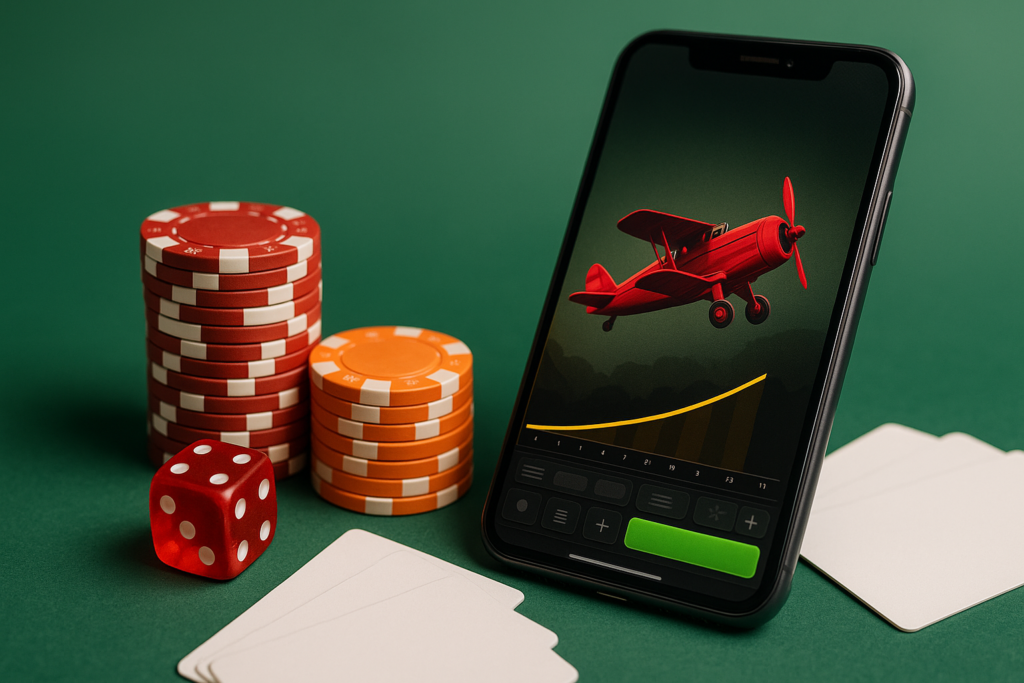
Aviator Mini review — 97% RTP, dual‑bet tactics and real crash odds (5.5% 1x, <1% 100x) Estimated reading time: 6 minutes Key takeaways Aviator Mini is Spribe’s compact crash game with a commonly cited ~97% RTP, though operators can configure it lower. The multiplier distribution is heavy‑tailed: ~5.5% crash at 1.00x, ~48.5% reach 2x, and <1% hit 100x — expect high variance. Dual‑bet and auto cash‑out let you hedge frequency vs tail risk; bonuses often exclude or devalue crash games. If you’ve seen a tiny airplane climb across a slim casino sidebar and wondered whether that little panel is actually worth your time, this Aviator Mini review is for you. It’s the compact version of Spribe’s crash game, keeping the same rules and math but packaged as a lobby‑side mini‑game. Aviator Mini review: what the game actually is At heart Aviator Mini is the same crash / burst game you’ve heard about — a plane takes off, a multiplier climbs from 1.00x, and the round ends when the plane “crashes.” Cash out before the crash and you collect stake × multiplier; miss it and you lose the bet. This compact format is often embedded in casino lobbies and meant to run alongside whatever else you’re doing, not buried under slots. You can read Spribe’s core implementation on the Spribe Aviator page, which explains the mini‑game layout and why operators put it into a sidebar experience. How Aviator Mini plays — dual bets, auto cash‑out and the social feed Rounds are fast. You place one or two bets, the multiplier climbs, and you either cash out manually or let an auto cash‑out trigger. Dual‑bet lets you run two stakes in the same round with different cash‑out targets — think one conservative 1.3x exit and one aggressive 10x chase. That’s one of the main tactical hooks. The best quick explanation of the round flow and dual bets comes from a practical breakdown at a crash game guide, which lays out how pre‑round bets and auto cash‑outs interact. Operators often show a live feed of other players’ cash‑outs and big wins, which makes the game feel social even in the mini UI. It’s part game, part chatroom: you see the near‑misses and the huge payouts, and that shapes the temptation to chase bigger multipliers. Autoplay and auto cash‑out: tools, not guarantees Auto cash‑out options let you set a multiplier and let the software act for you. Handy for a disciplined plan, risky if you treat it like a guarantee. Auto settings are effective for running conservative strategies (e.g., 1.2–1.5x targets) while you do other things, but they won’t stop a long cold streak. Aviator Mini review: RTP, house edge and the configurable truth The headline stat you’ll see everywhere is a roughly 97% RTP for Aviator — which implies a casino edge of about 3%. That’s the commonly cited baseline and it’s repeated across game databases and guides. The advertised figure is backed up in many write‑ups; for a readable reference see the page that lists the 97% RTP baseline for Aviator and similar Spribe titles. Important caveat: Spribe supplies a 97% baseline but operators can ship slightly different RTP settings. Technical documentation and industry guides note that some deployments run in the 94–96% range. So when a casino advertises 97%, it’s worth checking the game info tab to confirm the local figure. The idea of adjustable RTP is explained in detail by an industry breakdown on operator‑configurable RTP. That’s the reason you sometimes see a mismatch between marketing copy and the in‑client RTP number. Real crash odds and what the distribution means for your bankroll If you’re here for the numbers, the distribution matters more than the headline RTP. Aviator’s multiplier distribution is heavy‑tailed: most rounds end at low multipliers, while a few rounds explode to very high numbers. About 5.5% of rounds crash right away at 1.00x. Roughly 48.5% of rounds reach at least 2.00x. Fewer than 1% of rounds reach 100x. Those proportions come from a practical odds breakdown that’s used to show the real shape of crash games — you can see the same statistics in the real crash odds summary. They explain why 97% RTP doesn’t translate to steady, small wins: a handful of big rounds carry a lot of the return. Put simply: expect many small wins and losses, and a rare monster round that skews the long‑run average. If your plan is to chase 50x payouts, be prepared for deep variance; if you’re out for steady 1.2–1.5x exits, the experience will feel low variance even though the game is statistically volatile. Provably fair vs RNG: which Aviator Mini are you playing? There isn’t a single truth here. Some casinos integrate a provably‑fair client‑seed system, with round hashes you can verify using cryptographic functions. Others treat Aviator as a lab‑tested RNG game and show standard fairness certificates. Industry guides explain the two models and why both exist. If you value per‑round verification, check whether your casino exposes the provably‑fair hash and verification tool in the game UI — some do, some don’t. For a good primer on provably‑fair vs RNG choices, read the explainer at provably fair verification. My take: provably fair lets you verify individual rounds, which builds confidence for hardcore players. RNG and independent lab testing work fine too, but they give you a statistical guarantee rather than per‑round proof. Bonuses, wagering and the Aviator Mini catch Not all games count the same in bonus play, and Aviator Mini is often treated strictly. Casinos commonly label crash games as restricted or give them low wagering contribution because a high‑RTP, low‑house‑edge game can erode a casino’s bonus math. If you’re using a welcome offer, check the T&Cs: some casinos exclude Aviator outright; others assign it a small contribution percentage (e.g., 5–25%). That’s covered in bonus guides that flag Aviator as a frequent example of a limited game — see bonus contribution rules for a typical explanation. Practical tip: assume Aviator Mini will not clear wagering
Pubs Casino Sign up Bonus 100% up to 1,000 USDT for crypto players

How to Claim the Pubs Casino Sign‑Up Bonus: Step‑by‑Step to Get 100% up to 1,000 USDT (and why Pubs’ no‑wager cashback might be smarter) Estimated reading time: 5–7 minutes Key takeaways Pubs offers a 100% crypto first deposit match up to 1,000 USDT (min 20 USDT) but expect 30–35x wagering and slots‑only contribution. Opt into the bonus in the cashier before playing and obey the ~5 USDT max‑bet cap or you may forfeit the bonus. Pubs’ automatic daily cashback (often no wagering) can be a better long‑term value for regular crypto players. Pubs Casino sign up bonus — the offer at a glance At face value the promo is simple: a 100% first deposit match up to 1,000 USDT, available to new crypto players who deposit at least 20 USDT after registering. That layout is mentioned in multiple write‑ups, including an Australian breakdown at AusPokies. Important specifics you need up front: Minimum qualifying deposit: 20 USDT. Match: 100% up to 1,000 USDT (so deposit 1,000 USDT, get 1,000 USDT bonus). Who qualifies: new players, usually within 30 days of registration. Where it applies: the crypto‑first PUBS.com brand rather than the similarly named UK Pub Casino. That all sounds tidy, but the headline number hides the work you must do to withdraw anything. Reviews such as Independent‑Casinos and Bitranked make the wagering and contribution rules the real story. Step‑by‑step: how to claim the 100% up to 1,000 USDT This is the practical sequence most players follow — short, predictable, and easy to mess up if you skip the “opt in” step. Create an account. Visit the Pubs sign‑up flow and register with an email and password. The third‑party walk‑throughs show the site prompts an email or SMS code for verification. AusPokies sign‑up explains that part. Verify your account. Enter the verification code and accept the T&Cs; some regional KYC might follow before big withdrawals. Go to Cashier / Deposit. Choose USDT or another supported crypto method and set the amount — at least 20 USDT. Opt into the welcome bonus before you play. Many reviewers warn the match isn’t always automatic: select the 100% match in the deposit/promo area before wagering. See the practical guidance in the Betpack review. Deposit and check your balance. Once the deposit clears the bonus should appear; double‑check eligible funds before spinning slots. If you skip the opt‑in step and start playing, you may forfeit the bonus. Treat the promo like a separate product you must select. Pubs Casino sign up bonus: wagering, contribution and the 5 USDT max‑bet rule This is where players trip up. Different reviews and regional T&Cs report slight variations, so think in ranges and check the live T&Cs. Key mechanics flagged across sources: Typical wagering requirement: around 30x the bonus amount, though some reports say 35x (bonus + deposit) depending on jurisdiction. See Bitranked and BonusManiac. Game contribution: slots only count toward clearing wagering; table games and live casino usually contribute 0%. Time limits: ranges reported from 72 hours up to 30 days — again, check the offer T&Cs for your region. The Australian T&Cs mention specific 3‑day/30‑day windows in places. Pubs T&Cs. Max bet cap while wagering: about 5 USDT per spin or bet when you have bonus funds active (so big, fast swings are not allowed). Bonus buys: typically not allowed while wagering bonus funds. Put plainly: if you get a 1,000 USDT bonus and the WR is 30x on the bonus only, you need 30,000 USDT in slot turnover to meet wagering. Those are not small numbers — and if the WR is 35x on deposit+bonus, the target gets even larger. Why Pubs’ no‑wager daily cashback might be the smarter play Pubs hasn’t hidden the fact it runs an ongoing loyalty/cashback model alongside one‑time matches. For many regular crypto players, the daily cashback is structurally superior. What the cashback looks like in practice: Automatic daily cashback options reported around 10% up to 5,000 USDT for some players, and varying percentages in the Regulars programme. Cashback arrives without wagering attached in many write‑ups — meaning you can withdraw it or use it freely. See commentary at BonusManiac and Bitranked. It often activates automatically as you play; no separate opt‑in is required for the basic cashback tiers. Why that matters: instead of chasing a 30–35x hurdle in a short window (and risking higher stakes or longer sessions), cashback gives a steady recovery from losing sessions with no WR. For players who plan to play regularly rather than “bonus‑hunt and quit,” the math often favors cashback. Example comparison (simple): Small deposit bonus: deposit 100 USDT, get 100 USDT bonus, 30x WR on bonus = 3,000 USDT turnover required. Cashback route: deposit 100 USDT, lose 100 USDT in a day, 10% cashback = 10 USDT returned instantly with no WR. The cashback is lower headline value, but it’s liquid and predictable — and that removes the temptation to chase losses just to clear WR. Game selection and strategy when playing with bonus funds Because only slots count toward the wagering, you should treat bonus clearing like a short, focused slots session rather than a mixed‑game night. Practical, realistic tips: Prioritize medium‑volatility, high‑RTP slots where returns are steadier and swings aren’t extreme. Avoid bonus‑buy features; the platform often forbids bonus buys while bonus funds are active and they can blow through your bankroll fast. Respect the ~5 USDT max‑bet rule. Betting bigger to clear WR faster is a common trap and a breach of promo rules in many cases. Keep session sizing sensible: plan a unit stake and target small, repeatable spins rather than all‑in shots. Pubs’ offering comes from a crypto‑first catalog with mainstream providers; if you want a sense of the library and providers Pubs works with, read the Independent‑Casinos review which covers supply partners and the general games mix. Registration, verification and jurisdiction quirks — what to watch for The Pubs flow is fast, but the regulatory and regional differences matter. Quick practical notes: Registration is email + password
Pubs Casino sign up in 2 minutes with Wallet Connect

Pubs Casino sign up: Step‑by‑step Wallet Connect (2 minutes) or email signup + how to verify and claim the welcome bonus Estimated reading time: 4 minutes Key takeaways Wallet Connect (MetaMask) is the fastest sign-up route — you can be at the deposit screen in about two minutes. Email/password (or social) sign-up is the fuller KYC-ready flow; have ID and address details ready to avoid delays. Verify your account early and match document details to your profile to prevent withdrawal holds. Complete registration, set deposit limits if prompted, then make the qualifying deposit and opt in to the offer terms. Why the exact Pubs Casino sign up order matters This isn’t a tutorial about packaging — it’s about money, time, and avoiding headaches. How you register, verify, and deposit determines whether you unlock promos and how quickly you can withdraw winnings. Some versions of Pub Sports don’t run a classic “deposit and get” welcome free bet; others do. For example, some sites list a small free bet that needs a qualifying deposit (often around £10), while the sportsbook sometimes leans on an ACCA Boost instead of a straight welcome freebie. See the differences on the Pub Sports offer pages and reviews to know what’s live when you sign up. Quick links to the background reading I’ve used are scattered through this piece — handy if you want to double-check anything on their review pages. Option A: Wallet Connect sign up — the 2‑minute route If you already use MetaMask or another Web3 wallet, this is the speed lane. Reviewers who tested Pub Casino say Wallet Connect can shave minutes off the process and get you to the deposit screen almost instantly. Step 1 — Visit the Pubs Casino registration page and choose Wallet Connect as your method. The walkthroughs call this out as a separate option on the sign-up screen. (Betpack review) Step 2 — Connect your MetaMask (or WalletConnect-compatible) wallet when prompted. You’ll approve the connection via the extension or mobile app. Step 3 — Fill in the basic account details the site still asks for (email, nickname, country). Wallet Connect links your wallet address to the account but most sites still want a contact email for verification and communications. (Betpack review) Step 4 — Enter the 6‑digit email verification code sent to your inbox. That’s the single‑use code the site emails during sign-up and is required to complete the registration. (Betpack review) Step 5 — Set your deposit limits and responsible‑gaming preferences if prompted. On Pub Sports-style sites this step often appears immediately after account creation. (OLBG sign-up) Step 6 — Make your qualifying first deposit to unlock offers. We’ll cover specifics below. Why this is fast: the wallet proves you control a crypto address; you don’t need to type long card numbers or wait on some payment check. Between clicking “connect” and entering that 6‑digit email code you can be done in two minutes on a decent connection. Option B: Email/password or social sign up — the full onboarding Prefer a familiar flow? The email/password route is still the most common, and it’s solid. It’s a multi‑page form but designed to be quick if you have your details ready. Step 1 — Tap the “Sign up” (or “Join”) button on the Pubs Casino or Pub Sports site. (Auspokies guide) Step 2 — Enter your email and create a password. Some pages also ask you to pick your country of residence here. (Betting.Bet walkthrough) Step 3 — Fill out the personal details page: name, title, gender, phone number, and date of birth. This is the KYC-ready information the site holds on file. (Betting.Bet walkthrough) Step 4 — Add your address using the postcode lookup (select the correct address from the dropdown). Typical multi‑page forms have this as page three. (Betting.Bet walkthrough) Step 5 — Agree to the terms, privacy policy, and marketing preferences (there will usually be a required terms checkbox and optional marketing box). (Betting.Bet walkthrough) Step 6 — You’ll receive that 6‑digit email verification code. Enter it to complete account creation. (Auspokies guide) Step 7 — Choose deposit limits and finish. You’re now ready to deposit and claim any eligible offers. Pro tip: if you prefer one‑click social registration, some local guides note a one‑click option using Google/Facebook that skips typing details initially, then asks for the same personal info later for verification. (Auspokies guide) Pub Sports sign up specifics (sportsbook) — the RG and deposit limits step Registering for the sportsbook is basically the same as the casino, but expect a stronger nudge around deposit limits and two‑factor choices before you can place bets. The usual flow: click Join, enter email/password, continue to address and mobile details, then set deposit limits and marketing preferences. If you miss the deposit‑limit screen you’ll usually be asked to set one before your first deposit. (OLBG sign-up) Two facts to keep in mind: Pub Sports often asks you to set deposit limits during onboarding — treat this as an opportunity to define your budget. It’s there to protect you and to comply with local rules. (OLBG sign-up) Some reviews note no documents are required just to create the account — two‑factor verification is enough to get started — but full KYC is normally needed before withdrawals. (Bojoko review) How to verify your account quickly (and avoid withdrawal delays) Verification is what trips most players up. You can sign up in minutes — but if you leave verification to your first attempted withdrawal, expect delays. Here’s the fast method reviewers recommend: verify early and match your documents to the details on the account. Upload a government ID (passport or driving licence) and a proof of address (utility bill or bank statement dated within the last three months) if asked. Make sure the name and address on your account exactly match those on the documents. Mismatched data is the common cause of hold ups. If you used Wallet Connect, be prepared to prove the wallet address is yours — screenshots
Pubs Casino Mini Games 99% RTP Crash for Beginners

Pubs Casino Mini Games: Best Beginner-Friendly Picks — 99% RTP Crash Modes, Simple Live Game Shows & Low-Volatility Slots Estimated reading time: 6 minutes Key takeaways Choose low‑risk crash modes (like Chicken Cross) for a beginner-friendly 99% RTP experience. Use live game shows for social, simple betting and low complexity play. Prefer low-to-medium volatility slots with RTP ≥96% for longer, steadier sessions. What is Pubs Casino and why it fits the “pub” vibe Pubs Casino is essentially an online, crypto-friendly hangout with a huge selection. One 2026 review notes it runs over 4,000 games, so “mini games” sit inside a larger catalog. Player feedback looks solid. A recent write-up points to a verified Trustpilot profile rated 4/5, which tracks reliability, payout speed and service. Coverage also highlights ongoing perks rather than one-shot bonanzas. The site is recommended for regulars who value steady cashback and VIP benefits. For mini-game players that matters: less fussing with huge wagering conditions, more small returns that actually move your night along. What counts as beginner-friendly mini games (and why they work) Call them pub-style side bets: short, low-stakes, and simple. Industry write-ups define mini games as rounds that resolve quickly and have straightforward rules. These features fit casual players who want distraction while watching a match or socializing. See an overview in this mini-game primer. Three traits to remember: Straightforward rules — usually one button or one pick per round. Fast rounds — outcomes in seconds, not minutes. Small bet sizing — micro-stakes are standard, so you can learn without heavy loss. Pubs Casino mini games — Crash-style picks (high RTP, low-risk modes) Crash-style games are the modern pub classic: you bet, a multiplier climbs, and you decide when to cash out before the round explodes. These often offer the highest theoretical returns among mini games. A concrete model: Chicken Cross (by Upgaming) has been independently reported with an exceptional 99% RTP. That’s an estimated $99 returned for every $100 wagered over the very long run. Chicken Cross also lets you pick risk tiers with the same 99% RTP but different payout shapes: Low risk — low volatility, max multiplier ~x1.18, frequent small wins. Medium risk — medium volatility, max multiplier ~x3.48. Hard — medium‑high volatility, max multiplier ~x14.4. Daredevil — high volatility, max multiplier ~x2,833.79, rare big hits. Why this matters: RTP stays 99% across modes, but volatility changes the ride. For beginners, low‑risk Chicken Cross is a perfect first crash game. Practical rules of thumb for crash beginners: Session bankroll: set aside entertainment money you can afford to lose. Stake sizing: start tiny — 0.5–1% of your session bankroll per round in low-risk modes. Time cap: set a 20–30 minute time limit for first sessions to avoid the “one more round” trap. Pubs Casino mini games — Live game shows and easy wheels Live game-show titles are the most social mini games. You place one simple bet, watch a host spin a wheel, and enjoy the spectacle. Representative RTPs: Crazy Time (Evolution) sits around 96.08% RTP; Dream Catcher is about 96.58%; Lightning Roulette is roughly 97.1%; and Mega Ball is near 95.4%. These RTPs put most live game shows in the mid‑96 to 97% band — slightly lower than top crash modes, but reasonable given the entertainment factor. How to play these as a beginner at Pubs Casino: Stick to single-segment bets at first to reduce complexity. Use smaller unit stakes — 0.5–1% of your session bankroll per spin. Aim for medium volatility segments; avoid the highest multipliers until comfortable. Live shows are also great spectator games. Pop one on while following a match and enjoy the pub buzz. Pubs Casino mini games — Low-volatility classic slots for longer sessions If you want a slow burn — more spins, more small wins, less nail‑biting — low‑volatility classic slots are ideal. Guides note many three‑reel classics land in the 89–91% RTP range with low volatility. Modern video slots can sit in the 96–97% band with medium volatility. That split matters. Classic low‑vol slots give longer sessions and predictable small wins. Modern medium‑vol video slots are better if you want a chance at a modestly larger payout. Slot play basics for beginners at Pubs Casino: Choose low-to-medium volatility titles with RTP ≥96% where possible. Keep per-spin stakes small — 0.5–1% of your session bankroll. Limit session length to 30–60 minutes and split bankroll into several short sessions. Think of these games as “spin-and-sip” diversions: they keep the night going and teach paylines and bonus triggers. Bonuses, cashback and real-world value for mini-game players Pubs Casino favors returning players with ongoing perks rather than big first-time bonuses. Coverage highlights the site’s emphasis on cashback and VIP value. Why cashback matters: It returns a percentage of net losses — often with low or no wagering attached. Micro-stakes players often drain soft welcome bonuses with heavy wagering; cashback avoids that trap. Quick checklist before claiming any offer: Read the terms: confirm your games count toward the offer. Check wagering and bet caps: small bet limits can kill bonus usability. Prefer offers with low playthrough or cashback that posts as withdrawable balance. Responsible play: how to keep mini games fun Mini games reward quick decisions and quick rounds — great for a night out, not great for chasing losses. Keep safeguards in mind. Two simple rules: Bankroll-first: decide your session bankroll and maximum loss before you play. Time cap: set a strict timer — 20–40 minutes for crash, 30–60 for slots. Other tips: Prefer low-to-medium volatility while learning. Use site tools: deposit limits, reality checks and self‑exclusion. If play stops being fun, step away and contact support organisations if needed. Quick picks and how to start: a practical play plan Don’t overthink it. Follow this simple plan on your first visit to Pubs Casino. Decide session bankroll: separate funds, e.g., $25–$100 for a casual tryout. Pick one crash round type: low‑risk Chicken Cross mode (99% RTP). Add one live game show spin: Dream Catcher or Crazy Time, single-segment
Safest Online Casino Games Five Picks Blackjack 99.5% RTP

Safest Online Casino Games: 5 Low‑House‑Edge Picks (Blackjack 99.5% RTP, 9/6 Video Poker & Baccarat) Estimated reading time: 6 minutes Key takeaways Blackjack (with basic strategy) and full‑pay 9/6 video poker offer the highest RTPs (~99.5%) among common casino games. Stick to mathematically sound bets: Banker in baccarat, Pass/Come + Odds in craps, and even‑money bets on single‑zero roulette. Avoid side bets, progression systems and feature buys — they drastically increase house edge or variance. How I rank the safest online casino games “Safest” here is about math and behaviour. I weight three things. RTP / house edge (higher RTP = safer long‑run loss rate). Volatility (lower variance = steadier short‑term results). Decision simplicity (fewer side bets and complex systems to tempt you). For RTP and house‑edge comparisons I rely on published tables and game studies, like the RTP explainer that lays out how RTP converts to house edge and variance, and game tables that show which titles and paytables hit the top marks. See an overview of RTP concepts at RTP explained and a consolidated payout comparison at casino payout tables. 1) Blackjack — safest for players who learn basic strategy If you want one game that consistently gives you the best odds, blackjack is it — but only when you use basic strategy. With the right rules (3:2 pay on naturals, fewer decks) and basic strategy, blackjack routinely reaches about 99.5% RTP, roughly a 0.5% house edge.[11] Bets to make: Use basic strategy on the main hand; when offered, choose games listed with 3:2 blackjack and fewer decks. Consider single‑deck or favorable multi‑deck tables where the quoted RTP is high. For provider examples and strong RTP titles see the review of top games like best casino games. Bets to avoid: Side bets (Perfect Pairs, 21+3) and 6:5 blackjack tables — these increase house edge sharply. Also skip optional insurance unless you’re counting cards. House‑edge to remember: Optimal play ≈ 0.5% house edge; poor rules or side bets can spike that to 2–5%. Responsible tip: don’t let a “hot hand” or a Martingale chase take over. Blackjack’s low house edge is erased quickly if you double or triple your bets after losses. 2) Full‑pay Video Poker (9/6 Jacks or Better) Video poker is a machine game — but unlike slots, paytables matter a lot. The gold standard is full‑pay 9/6 Jacks or Better, which sits around 99.5% RTP when played with perfect strategy. Other full‑pay variants (Deuces Wild, Aces & Faces) also hit the high‑RTP range when the paytables are generous.[11][13] Bets to make: Play full‑pay 9/6 Jacks or Better and use a solid strategy chart. Many games require max coins to unlock the top royal payout — playing max coins at a low denomination keeps the math intact. Bets to avoid: Poor paytables (8/5, 7/5) and “double‑up” gamble features that turn your win into a coin‑flip. Those options raise variance and reduce effective RTP. RTP examples: Jacks or Better titles are often listed near 99.5% on payout comparators; broader payout lists show video poker among the highest RTP categories at reputable casinos. Practically: video poker gives slot‑like comfort with table‑game value — but only if you pick the right machine and stick to strategy. For an aggregated payout perspective see casino payout tables. 3) Baccarat — keep it boring, bet Banker Baccarat is famously simple: bet Banker, Player, or Tie. The house edge on the Banker bet is about 1.06% (roughly 98.94% RTP) after the usual 5% commission — still a low‑variance, low‑decision option that’s safer than most casino staples.[15] Bets to make: Consistently back the Banker. It has the best mathematical expectation over time. Bets to avoid: Tie bets and proposition/side bets — they look tempting with big payouts but carry large house edges. Why it’s safe: Few decisions and a consistent house edge make it easier to stick to budgets and avoid tilt. Remember: the Banker bet often pays slightly less (after commission), but it remains the safest single‑bet choice on the table. For an easy summary of low‑edge casino bets see the low‑house‑edge listings at best odds comparison. 4) Craps — play Pass Line plus Odds Craps can be intimidating, but played conservatively it’s one of the safest table games. Stick to the Pass Line (or Come) and back it with the free Odds — those Odds bets have no built‑in house edge, so your combined edge falls into the 0.6–0.8% range depending on the odds multiple you take.[13] Bets to make: Pass Line or Come with maximum allowable Odds behind the bet. Odds are paid true odds, which improves your overall RTP. Bets to avoid: Proposition bets (“Any 7”, Hardways, Big 6/8) — these have heavy house edges and wild variance. Practical note: the fewer exotic bets you touch, the closer craps plays to blackjack-level safety. Short take: craps is a lesson in pickiness. If you only play the “no‑brainer” bets, you’ll be surprised how quietly the table treats your bankroll. See a plain comparison of top low‑edge games at RTP & odds breakdowns. 5) European Roulette — single zero matters Roulette isn’t as friendly as blackjack or full‑pay video poker, but European (single‑zero) roulette is significantly safer than American double‑zero. European wheels sit around 97.3% RTP (2.7% house edge). If you find French roulette with La Partage or En Prison, even‑money bets effectively push to around 98.65% in some rulesets.[11] Bets to make: Even‑money bets (red/black, odd/even, high/low) on a single‑zero wheel, or play tables with La Partage/En Prison if available. Bets to avoid: American double‑zero wheels and complicated inside bets that raise variance and spend down your session fast. Context: American roulette’s 5.26% house edge makes it nearly twice as unfriendly as European — check the wheel before you sit down. Roulette is still volatile within a session — the safety comes from picking the right wheel and sticking to simple bets. For an at‑a‑glance look at roulette vs other games see the best‑paying game lists at top paying games. Honourable